Our Top Picks
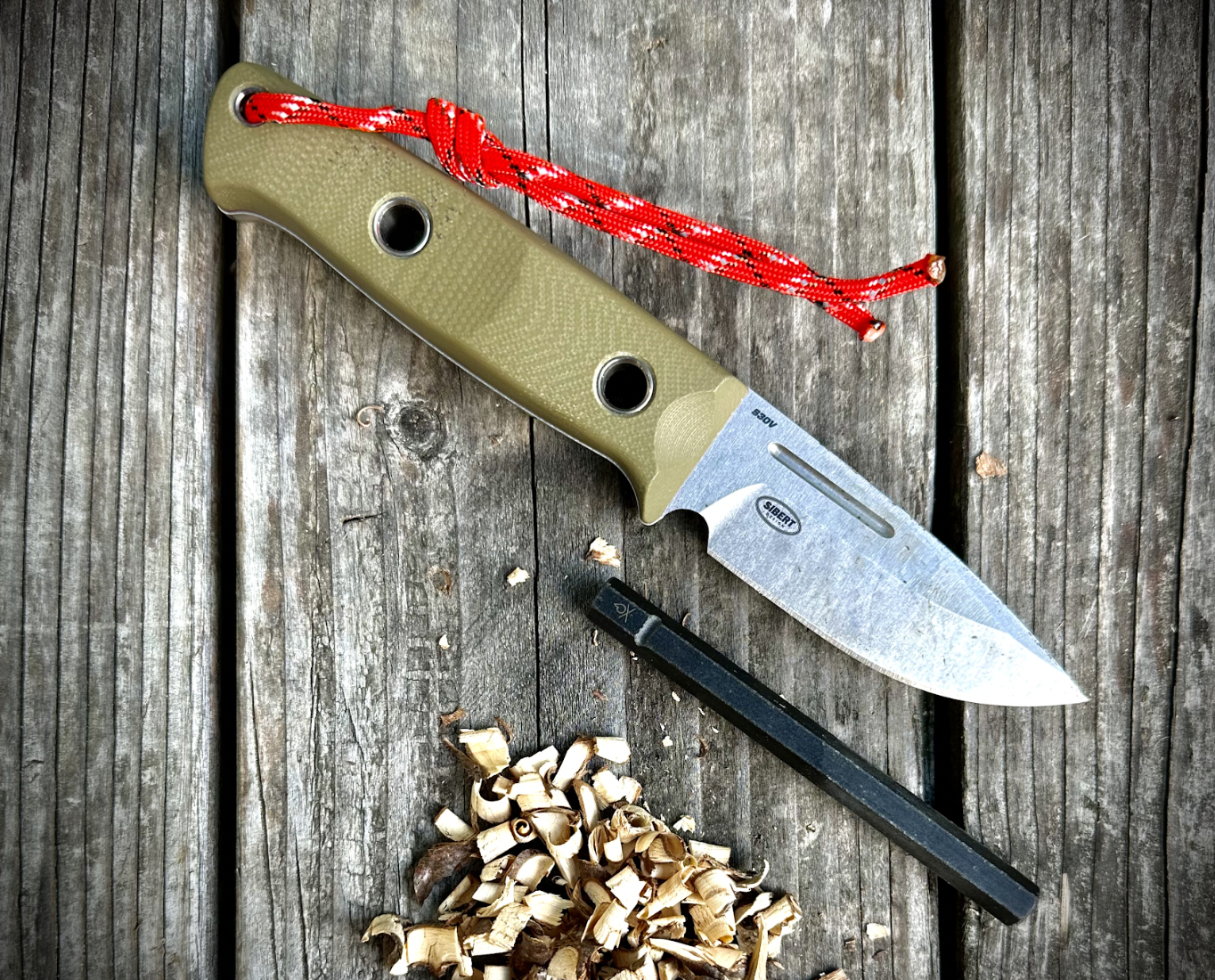
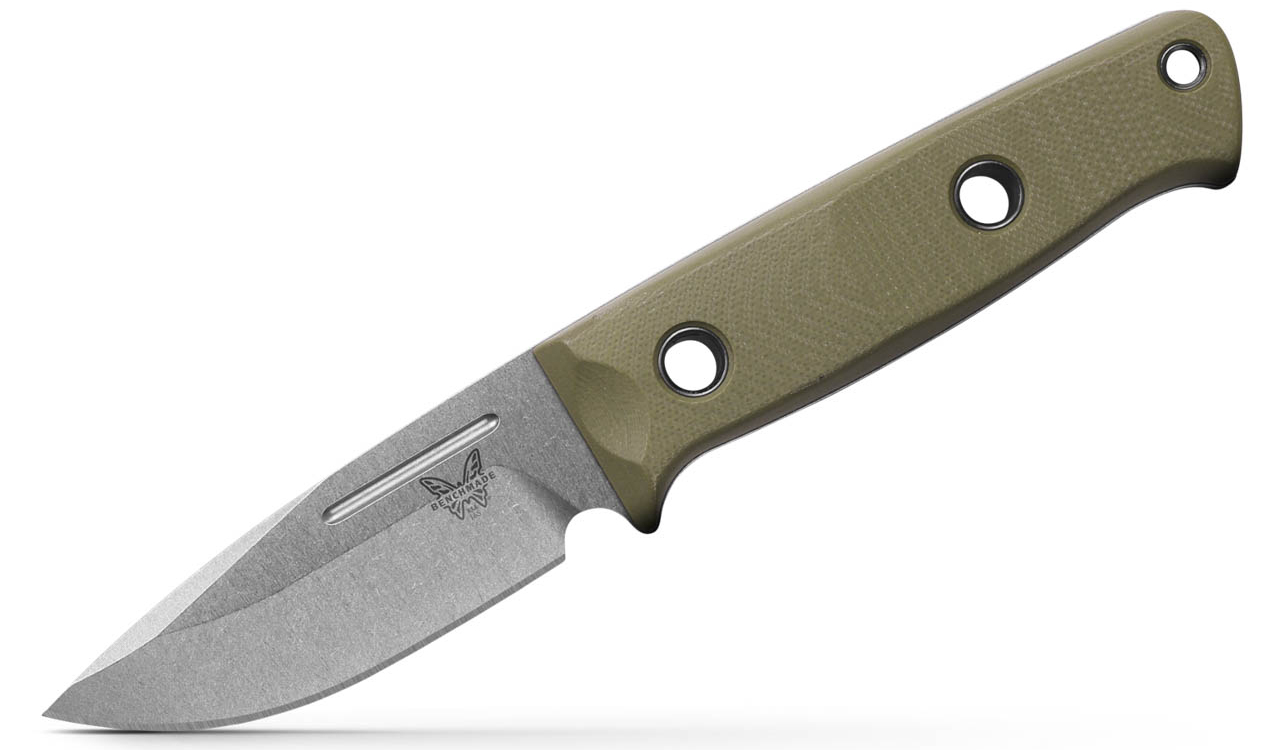
- Best Overall: Benchmade 165 Mini Bushcrafter for its elite MagnaCut steel and refined ergonomics that handle everything from fine carving to heavy processing.
- Best Value: Morakniv Garberg, a legendary full tang construction tool that offers industrial-grade performance at a price point accessible to every camper.
- Best Traditional: ESEE RB3, utilizing carbon steel 1095 and a true Scandi grind for those who prioritize ease of maintenance and classic woodcraft geometry.
- Best Specialized: Victorinox Venture Pro, which integrates primitive skills features like a bow drill socket directly into the handle system.
Choosing the right tool for wilderness self-reliance is critical. A dedicated bushcraft knife differs from survival knives by focusing on precision woodcraft. Whether you need the edge retention of MagnaCut bushcraft knives or the ease of sharpening found in a traditional Scandi grind, our 2026 field test identifies the best bushcraft knives for your kit.
| Model | Steel | Blade Length | Grind | Price Range |
|---|---|---|---|---|
| Benchmade 165 Mini Bushcrafter | MagnaCut | 3.38" | High-bevel Flat | $$$ |
| Morakniv Garberg | Sandvik 14C28N | 4.3" | Scandi | $ |
| GiantMouse ACE Jagt | MagnaCut | 3.75" | Flat | $$ |
| ESEE RB3 | 1095 Carbon | 3.5" | Scandi | $ |
| Victorinox Venture Pro | 1.4116 Stainless | 4.1" | Flat | $$ |
| LT Wright Genesis | A2 Steel | 4.25" | Scandi | $$$ |
| Zero Tolerance 0006 | CPM 3V | 6.0" | Flat | $$$ |
| Bark River Bushcrafter | CPM 3V | 3.8" | Convex | $$$ |
Bushcraft vs. Survival Knives: Defining the Purpose
At the heart of the debate between bushcraft vs survival knives lies a fundamental difference in philosophy. A survival knife is an insurance policy against disaster, often designed for heavy-duty demolition or emergency extraction. In contrast, the bushcraft knife is a craftsman's tool. Heavily influenced by the teachings of legends like Mors Kochanski and the designs of Horace Kephart, these tools prioritize wilderness self-reliance through finesse rather than brute force.
When looking at bushcraft vs survival knives differences for camping, the most immediate giveaway is the size. While a survival blade might exceed seven inches to facilitate heavy chopping, the gold standard for bushcraft is a 3.5 to 4.5-inch fixed blade. This shorter length provides the leverage needed for fine tasks like carving feathersticks, making trap triggers, and performing essential field dressing. A bushcraft knife is an extension of the hand, intended for hours of comfortable use during camp chores rather than a three-minute emergency.
The Best Bushcraft Knives of 2026: The Top 8 Reviews
1. Benchmade 165 Mini Bushcrafter
Our testing team found that the Mini Bushcrafter represents the pinnacle of modern materials. By utilizing CPM-MagnaCut, Benchmade has created a blade with incredible edge retention that remains almost entirely immune to rust. It is arguably one of the best MagnaCut bushcraft knives for corrosion resistance currently on the market.
- Best For: Professional guides and minimalist explorers.
- Technical Specs: 3.38-inch blade, 60-62 HRC, G10 Scales.
- Pros: Incredible weight-to-performance ratio; 90-degree spine is exceptionally sharp.
- Cons: Premium price point; smaller handle may not fit those with very large hands.
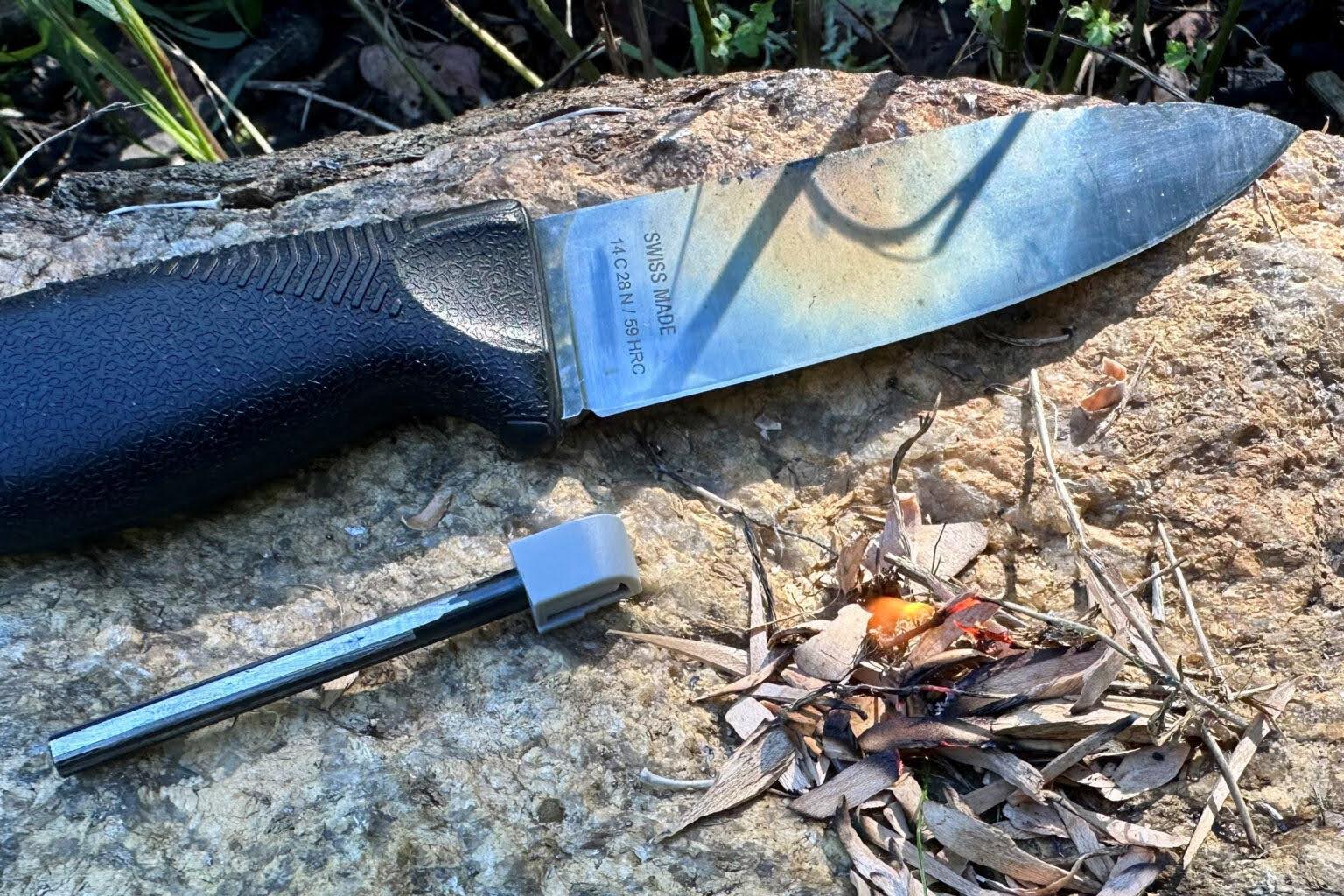
2. Morakniv Garberg (Stainless)
The Garberg remains a benchmark in the industry. It is the first Morakniv to feature a true full tang construction, making it durable enough for batoning through frozen hardwoods. The scandi grind bushcraft knives from Morakniv are famous for their "bite" into wood, and the Garberg is no exception.
- Best For: Beginners and experts alike who need a "bomb-proof" tool.
- Technical Specs: 4.3-inch blade, 14C28N Sandvik steel, Polyamide handle.
- Pros: Incredible value; Multi-Mount sheath system is highly versatile.
- Cons: The handle can feel somewhat utilitarian compared to Micarta.
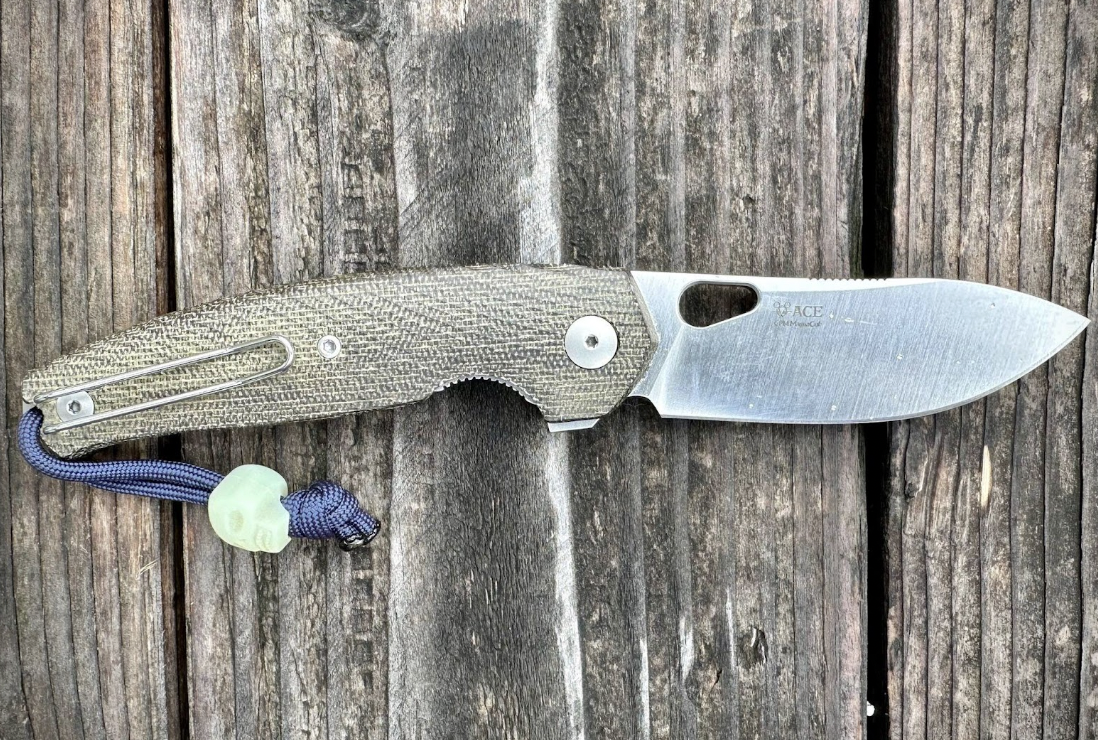
3. GiantMouse ACE Jagt
During our field tests, the ACE Jagt stood out for its incredible ergonomics. The way the handle fills the palm makes it a favorite for long carving sessions. It is a fantastic example of small fixed blade bushcraft knives for precision carving that don't sacrifice strength.
- Best For: Users who prioritize handle comfort and aesthetics.
- Technical Specs: 3.75-inch blade, MagnaCut steel, Green Canvas Micarta.
- Pros: Beautifully finished; high-performance steel.
- Cons: The sheath is high quality but adds significant bulk to a belt.
4. ESEE RB3
Designed by Reuben Bolieu, the RB3 is ESEE’s love letter to traditional woodcraft. It features carbon steel 1095, which we found simple to sharpen in the field with a basic leather strop. If you are looking for the benefits of scandi grind bushcraft knives for woodcraft, this blade’s aggressive geometry is hard to beat.
- Best For: Traditionalists who enjoy the ritual of knife maintenance.
- Technical Specs: 3.5-inch blade, 1095 steel, Micarta scales.
- Pros: Zero-degree Scandi grind; legendary ESEE lifetime warranty.
- Cons: High-carbon steel requires oiling to prevent rust.
5. Victorinox Venture Pro
The Venture Pro is a surprise powerhouse. Aside from its blade performance, it features bushcraft knives with integrated fire starter and ferro rod options built into the carrying system. We were particularly impressed with the integrated bow drill socket in the handle, which simplifies the process of making fire through friction.
- Best For: All-in-one kit enthusiasts and students of primitive skills.
- Technical Specs: 4.1-inch blade, 1.4116 Stainless steel, TPE handle.
- Pros: Massive feature set; extremely lightweight.
- Cons: Blade steel is softer than MagnaCut, requiring more frequent touch-ups.
6. LT Wright Genesis
The Genesis feels like a custom knife but at a production price. Utilizing A2 tool steel, it offers a fine grain structure that allows for a razor-sharp edge. The broomstick-style handle is a masterclass in ergonomics, preventing "hot spots" during heavy tasks like feathersticking.
- Best For: Serious woodworkers and bushcraft instructors.
- Technical Specs: 4.25-inch blade, A2 Steel, Thumb scallops on scales.
- Pros: Peerless fit and finish; perfectly balanced.
- Cons: A2 steel is not stainless; sheath is right-hand carry only by default.
7. Zero Tolerance 0006
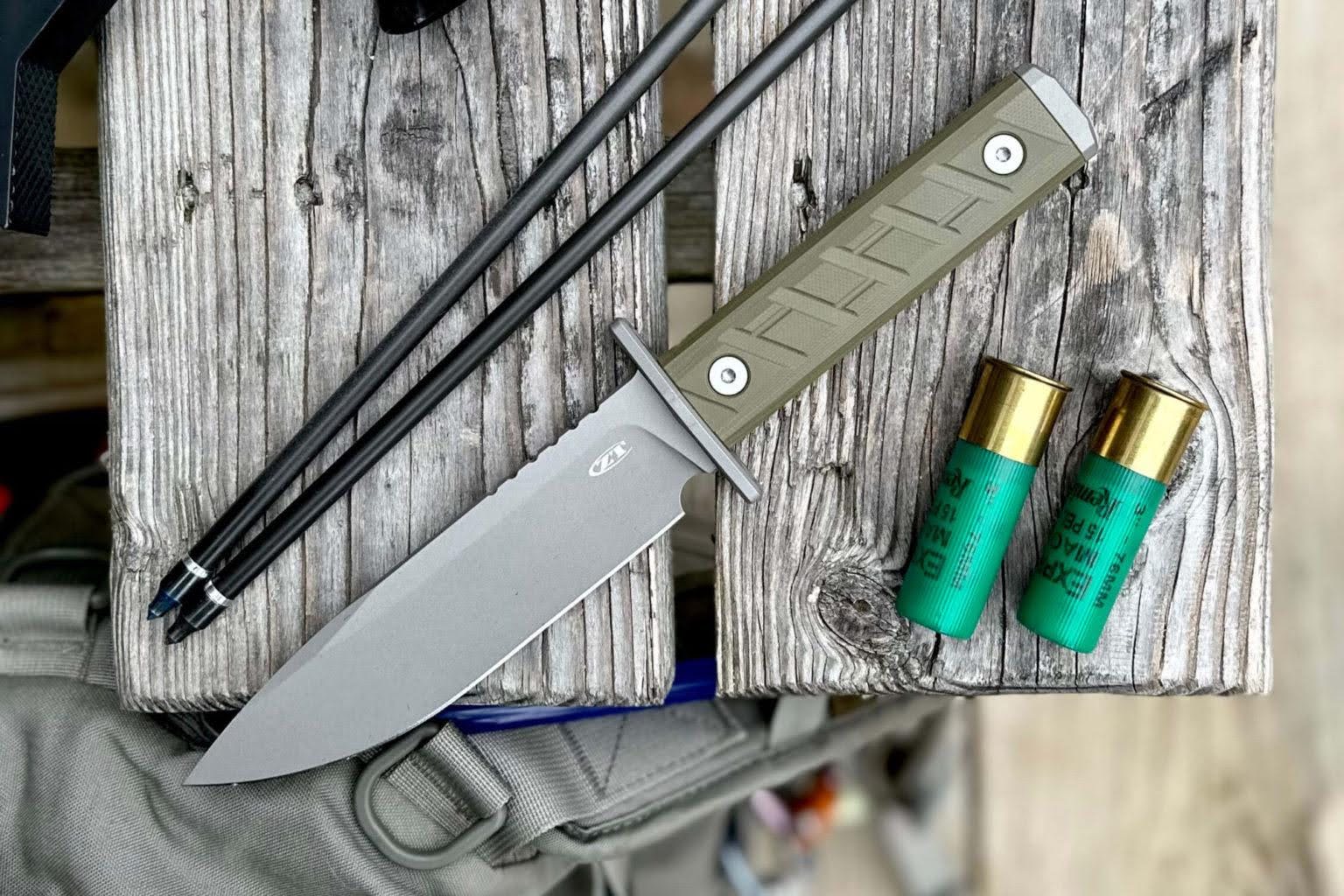
While slightly larger than our typical recommendation, the 0006 uses CPM 3V steel, known for its extreme toughness. It’s the hybrid choice for those who want a blade capable of clearing light brush while still maintaining a 90-degree spine for striking a ferro rod.
- Best For: Campers who only want to carry one large tool.
- Technical Specs: 6.0-inch blade, CPM 3V steel, Cerakote finish.
- Pros: Nearly indestructible; excellent guard for safety.
- Cons: Blade length makes detailed carving more difficult.
8. Bark River Bushcrafter
The Bark River Bushcrafter utilizes a convex grind rather than a Scandi. This provides more "meat" behind the edge, making it superior for batoning through thick knots. It is one of the best bushcraft knives for those who prefer the durability of a thicker edge.
- Best For: Heavily used camp knives and processing kindling.
- Technical Specs: 3.8-inch blade, CPM 3V steel, various handle materials.
- Pros: The convex edge stays sharp longer during heavy impact; beautiful leather sheath.
- Cons: Sharpening a convex edge requires a specific technique (sandpaper on a mousepad).
Expert Sidebar: How We Tested Our methodology focuses on the BESS sharpness score—measuring the force required to cut a certified wire. We tested each knife by performing 50 curls of oak feathersticks, followed by batoning through seasoned cherry logs. Lastly, we evaluated ergonomics by carving a "try stick" for two hours, noting any hand fatigue or hotspots.
Choosing Your Edge: Scandi vs. Convex vs. Flat Grinds
The debate over the "perfect" edge geometry is central to selecting the best bushcraft knives. The Scandi grind is the undisputed king of woodcraft because the single bevel acts like a chisel, wedging the wood apart and providing unmatched control. If your primary goal is making fine curls for fire starting, you will find several benefits of scandi grind bushcraft knives for woodcraft that flat grinds simply can't match.
However, the convex grind is gaining popularity for its strength. Because the edge curves outward, there is more material to support the apex, making it less likely to chip during high-impact tasks. Flat grinds, as seen on the GiantMouse, offer a compromise. They are excellent for field dressing and food prep, making them a more versatile choice for general camping beyond just woodwork.
The Carry System: Sheaths and Ergonomics
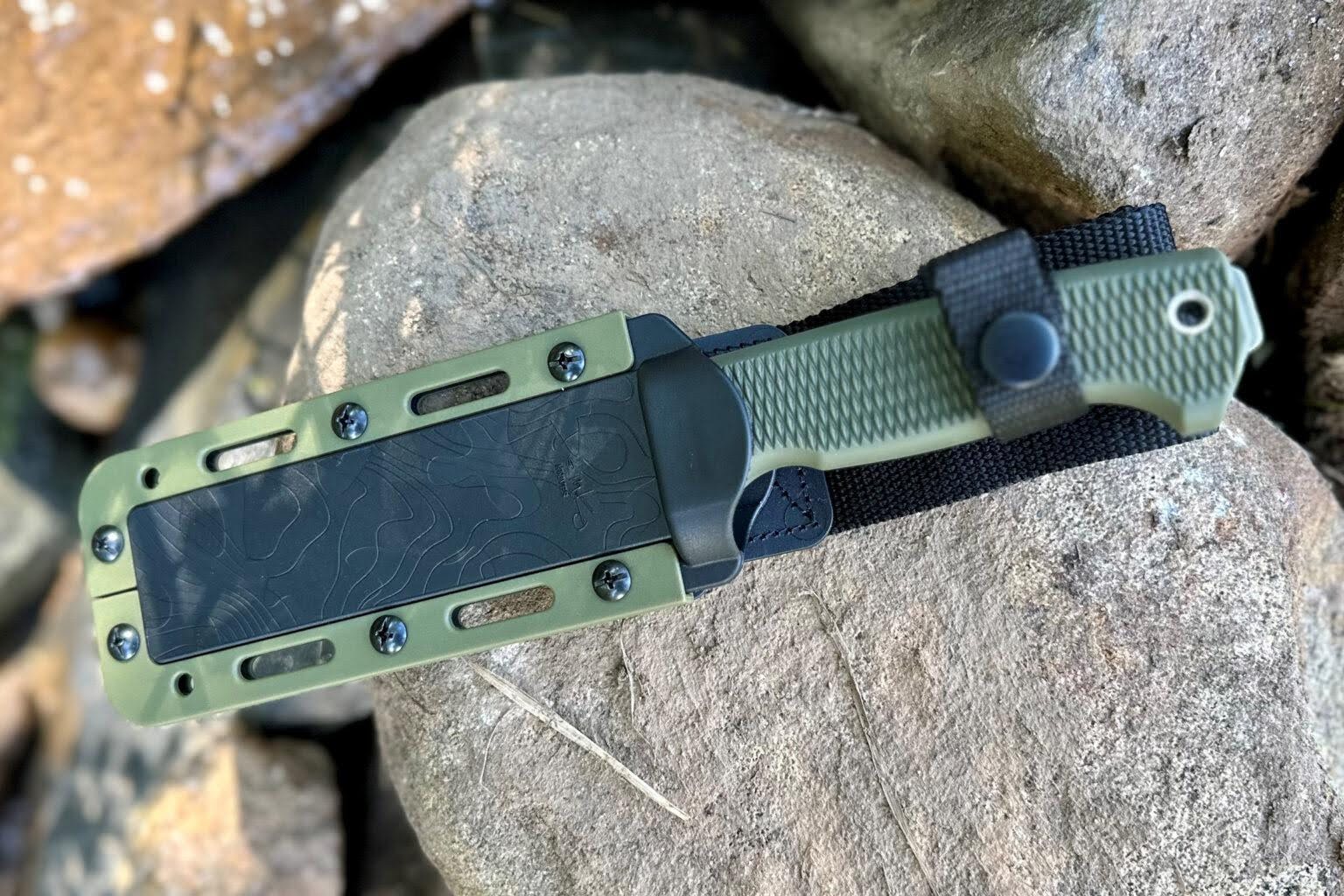
A knife is only as good as its carry system. When choosing the right bushcraft knife sheath for belt carry, we recommend looking for a "dangler" style attachment. This allows the sheath to pivot when you sit or crouch, preventing the handle from poking into your ribs.
Materials also play a massive role in long-term satisfaction. Micarta is our preferred handle material because its texture improves when wet, providing a secure grip even in rain or when processing fish. Furthermore, a well-designed handle will often include a lanyard hole for added security during heavy tasks or a bow drill socket for primitive fire making.
FAQ
What is the difference between a bushcraft knife and a survival knife?
A bushcraft knife is a precision tool specifically optimized for woodcraft, carving, and wilderness self-reliance, usually featuring a shorter 3.5 to 5-inch blade. Survival knives are broader-purpose tools often designed for emergency situations, favoring larger blades and heavier builds for tasks like prying or heavy chopping.
What is the best blade length for a bushcraft knife?
The ideal blade length falls between 3.5 and 4.5 inches. This range provides the best balance of control for fine carving and enough length to baton through small to medium-sized logs for kindling.
Does a bushcraft knife need to be full tang?
For a primary woods tool, yes. A full tang construction—where the steel of the blade runs the entire length and width of the handle—is essential for ensuring the knife can withstand the stresses of batoning and heavy prying without snapping the handle.
What is the best steel for a bushcraft knife?
The choice depends on your environment. For high-corrosion areas or ease of care, MagnaCut bushcraft knives are the modern gold standard. For traditionalists who want an edge that is incredibly easy to maintain in the field with a leather strop, carbon steel 1095 or A2 tool steel are excellent choices.
What is the best grind for a bushcraft knife?
The Scandi grind is widely considered the best for woodcraft because of its aggressive "bite" and ease of sharpening. However, those who do a lot of heavy wood processing may prefer a convex grind for its added durability and resistance to chipping.
How do you maintain and sharpen a bushcraft knife?
Maintenance involves keeping the blade clean and lightly oiled—particularly for carbon steel. Sharpening varies by grind: Scandi grinds are sharpened by laying the bevel flat on a stone, while convex grinds require a stropping motion on a soft surface like a leather strop or sandpaper on a foam pad.
The Final Word
Mastering the wild requires more than just strength; it requires the right tool for the task. Whether you choose a high-tech blade like the Benchmade 165 or a time-tested classic like the Morakniv Garberg, your knife should be a reliable partner in your journey toward wilderness self-reliance. Choose the one that fits your hand, your skill level, and your specific camping needs.